
Music as an invisible transition
Par Christophe · 30 July 2026
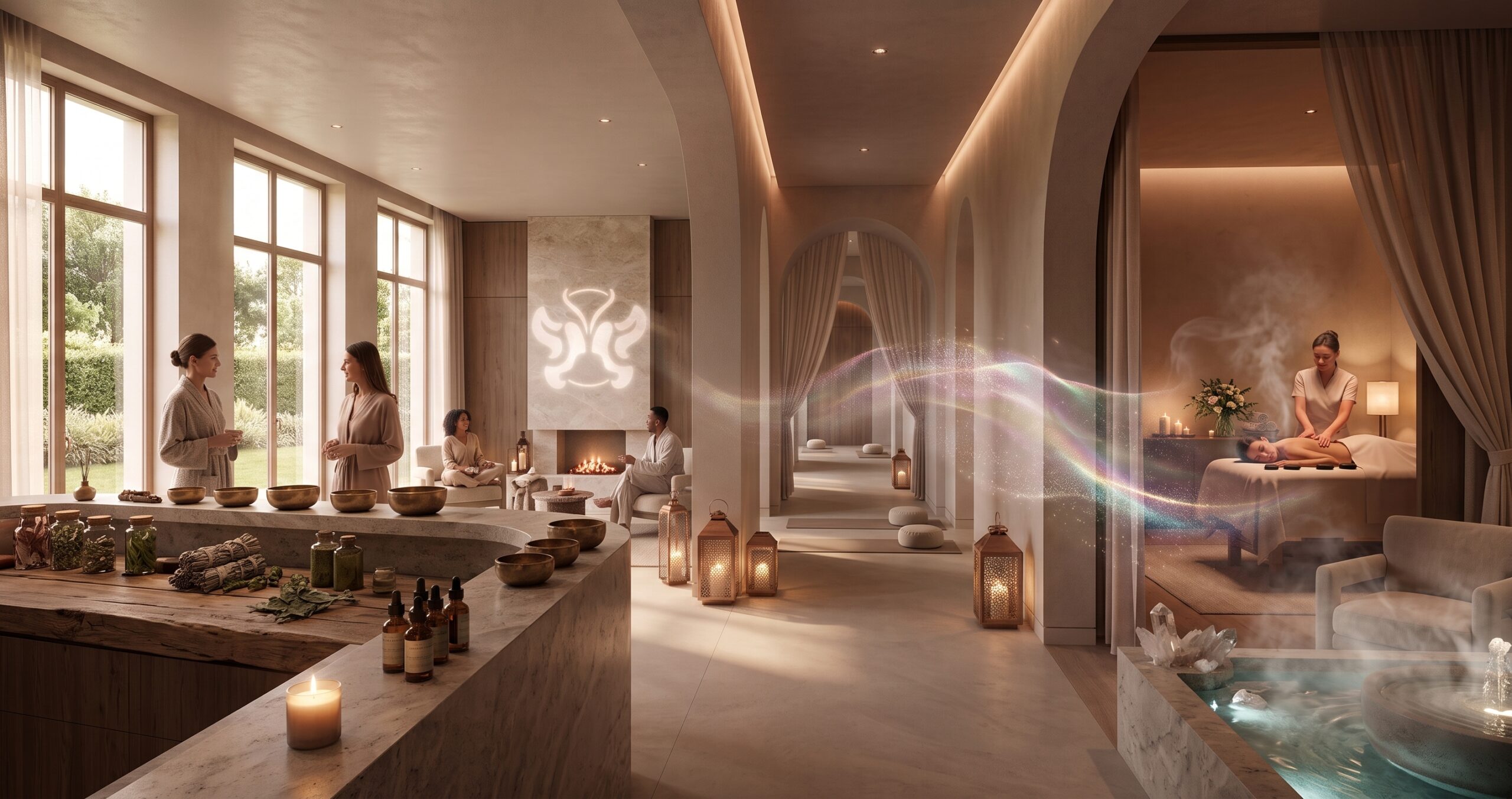
From waiting to relaxation: music as an invisible transition
A client never arrives completely neutral.
They arrive with the noise of their day, their schedule, their thoughts, sometimes running late, sometimes stressed.
In a wellness space, the challenge is not just to offer a good treatment. It is also to help the client gradually leave their previous state behind.
Music can play this role of an invisible transition.
Sound as a signal to slow down
A stable sound environment sends a simple message: here, the pace changes.
This signal does not need to be dramatic. On the contrary, the more seamless it is, the better it works.
Music that is too demonstrative draws attention.
Music that is too variable re-stimulates the mind.
An environment that is too silent allows internal tensions to take up space.
The right sound accompanies without forcing.
Step 1: stabilizing at reception
At the reception desk, the goal is to reassure.
Clients need to feel that the space is controlled, calm, and coherent. Soft, steady, and non-intrusive background music helps establish this initial foundation.
It reduces the perception of small noises and provides a sense of order.
Step 2: enveloping during the transition
Between reception and the treatment room, the client gradually shifts their state of mind.
They prepare themselves. They slow down. They observe the space.
Sound continuity prevents breaking this momentum. If the atmosphere disappears or changes abruptly, the immersion becomes fragile.
A successful transition is almost imperceptible.
Step 3: deepening in the treatment room
In the treatment room, the music becomes more enveloping.
It helps maintain focus, support breathing, and avoid mental interruptions. It should not surprise, but rather accompany the duration of the treatment.
The client does not need to think about the music. They should be able to rely on it.
The departure: do not break the effect
The end of the treatment deserves as much attention as the beginning.
A return that is too sudden to a livelier atmosphere can reduce the relaxation effect. A gradual auditory exit helps prolong the experience and gently ground the client again.
Conclusion
Music is not just a background sound.
It can become a common thread between waiting and relaxation.
When used well, it helps the client change state effortlessly, makes the journey smoother, and gives the establishment a more professional sensory signature.